

The agriculture industry is a dynamic sector that continually evolves in response to various factors such as technological advancements, market demands, environmental changes, and policy shifts. In this blog post, we will delve into the current trends and challenges shaping the agriculture industry today.
Current Trends:
Digital Transformation: One of the prominent trends in agriculture is the integration of digital technologies to enhance farm operations. From precision agriculture and data-driven decision-making to the use of drones and IoT devices, farmers are embracing technology to optimize resource use, improve efficiency, and increase yields.
Sustainable Agriculture: There is a growing emphasis on sustainable farming practices that prioritize environmental stewardship, soil health, and biodiversity conservation. Practices such as organic farming, regenerative agriculture, and agroecology are gaining traction as farmers seek to minimize their environmental footprint and promote long-term sustainability.
Vertical Farming and Urban Agriculture: With the global population on the rise and urbanization increasing, there is a growing interest in vertical farming and urban agriculture. These innovative farming methods involve growing crops in vertically stacked layers or urban settings, utilizing limited space efficiently and reducing transportation distances.
Plant-Based Protein and Alternative Farming: The rise of plant-based diets and alternative proteins has led to increased demand for crops such as soybeans, pulses, and other protein-rich plants. Additionally, alternative farming methods such as hydroponics, aquaponics, and insect farming are gaining attention as sustainable alternatives to traditional agriculture.
Supply Chain Resilience: The COVID-19 pandemic highlighted vulnerabilities in global supply chains, prompting a renewed focus on supply chain resilience in the agriculture industry. Farmers, distributors, and retailers are exploring ways to strengthen local and regional food systems to ensure food security and minimize disruptions.
Challenges:
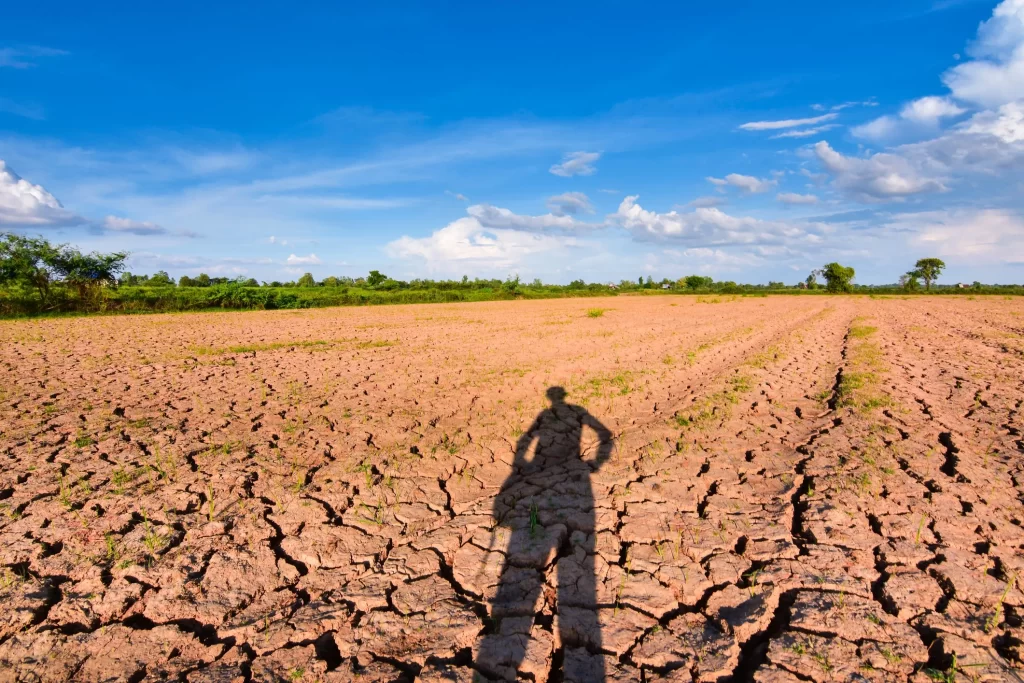
Climate Change: Climate change poses significant challenges to agriculture, including more frequent extreme weather events, shifting growing seasons, and unpredictable rainfall patterns. Farmers must adapt to these changes through resilient farming practices and mitigation strategies to ensure food security and crop viability.
Resource Scarcity: Depletion of natural resources such as water, arable land, and fertile soil presents a challenge to sustainable agriculture. Farmers must adopt efficient irrigation techniques, soil conservation practices, and land management strategies to optimize resource use and minimize waste.
Pests and Diseases: Pests, diseases, and invasive species pose ongoing threats to crop health and productivity. Climate change and globalization contribute to the spread of pests and diseases, making pest management and biosecurity critical priorities for farmers.
Economic Pressures: Fluctuating market prices, input costs, and trade policies create economic pressures for farmers, especially small-scale producers. Rising production costs, coupled with price volatility and market uncertainties, impact farmers’ livelihoods and financial stability.
Technological Divide: While digital technologies offer promising solutions for agriculture, there is a technological divide between large-scale commercial farms and smallholder farmers in developing countries. Access to affordable technology, training, and infrastructure remains a challenge for many small-scale farmers, limiting their ability to adopt modern farming practices.
In conclusion, the agriculture industry is undergoing significant transformations driven by technological advancements, sustainability initiatives, and evolving consumer preferences. However, it also faces complex challenges related to climate change, resource scarcity, economic pressures, and technological inequalities. Addressing these challenges requires collaboration across the agriculture value chain, innovative solutions, and a commitment to sustainable and inclusive agricultural practices. As we navigate these trends and challenges, it is essential to prioritize resilience, adaptability, and environmental stewardship to build a more sustainable and resilient agriculture sector for the future.