

Climate change and extreme weather events have emerged as significant challenges for agricultural production, posing threats to food security, rural livelihoods, and global economies.So in this blog post, we will explore the profound impacts of climate change and extreme weather events on agricultural production and discuss strategies to mitigate their effects.
Changes in Temperature and Precipitation Patterns:
Climate change is altering temperature and precipitation patterns worldwide, leading to shifts in growing seasons, changes in rainfall distribution, and increased frequency of extreme weather events such as heatwaves, droughts, floods, and storms. These changes disrupt agricultural production cycles, affect crop growth and development, and impact water availability for irrigation, posing challenges for farmers in adapting to unpredictable weather conditions.
Heat Stress and Crop Losses:
Rising temperatures associated with climate change increase the risk of heat stress for crops. By affecting photosynthesis, reproductive development, and yield formation. Heatwaves can lead to reduced crop yields, poor grain quality, and crop failures, particularly in heat-sensitive crops such as wheat, rice, maize, and soybeans. High temperatures during flowering and pollination stages can reduce fruit set and grain formation. Resulting in significant economic losses for farmers and food insecurity for communities.
Drought and Water Scarcity:
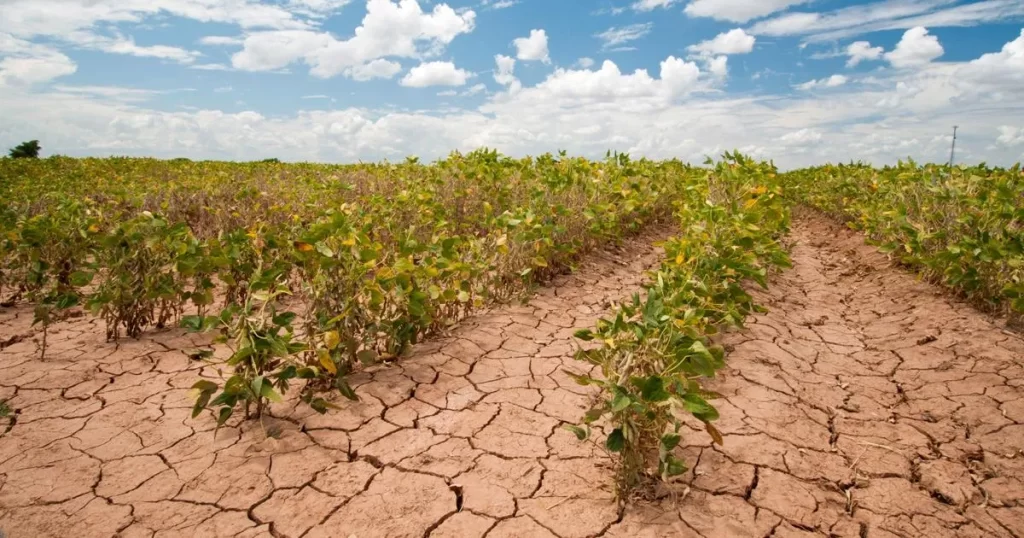
Droughts, characterized by prolonged periods of below-average rainfall and water scarcity. These are among the most detrimental impacts of climate change on agricultural production. Drought stress affects crop growth, reduces water availability for irrigation. And increases competition for limited water resources among agricultural, industrial, and domestic users. Drought-resistant crop varieties, improved water management practices, and investment in water-saving technologies such as drip irrigation and rainwater harvesting are essential strategies for mitigating the impacts of drought on agricultural productivity.
Floods and Waterlogging:
Extreme precipitation events and floods can cause waterlogging, soil erosion, and crop damage. Disrupting agricultural production and causing significant economic losses for farmers. Floods can submerge crops, wash away topsoil, and promote the spread of waterborne diseases. By affecting crop yields, soil fertility, and farm infrastructure. Effective water management practices such as land leveling, contour farming, and drainage systems help reduce the risk of waterlogging and soil erosion, enhancing agricultural resilience to extreme precipitation events.
Changes in Pest and Disease Dynamics:
So Climate change alters the distribution, abundance, and behavior of pests and diseases, posing challenges for pest management and crop protection. Warmer temperatures and changing rainfall patterns create favorable conditions for the proliferation of pests and diseases in detail. Increasing crop vulnerability to infestations and outbreaks. Integrated pest management (IPM) strategies that combine cultural, biological, and chemical control methods help mitigate the impacts of climate change on pest and disease dynamics. Reducing reliance on chemical pesticides and promoting sustainable crop protection practices.
Impact on Livestock and Fisheries:
Climate change affects not only crop production but also livestock and fisheries, threatening food security and livelihoods in rural communities. Rising temperatures and heatwaves stress livestock, reduce feed quality, and increase susceptibility to diseases, affecting animal health and productivity. Changes in precipitation patterns and water temperature impact aquatic ecosystems and fish populations. Affecting fishery yields and food availability for human consumption. Adaptation strategies such as improved animal husbandry practices, climate-resilient livestock breeds, and sustainable fisheries management help mitigate the impacts of climate change on livestock and fisheries.
Impact on Global Food Security:
Climate change and extreme weather events pose significant challenges to global food security. Exacerbating existing vulnerabilities and inequalities in food access and distribution. Climate-induced crop failures, yield losses, and price volatility affect food availability, affordability, and nutrition for vulnerable populations, particularly in low-income countries and regions with limited adaptive capacity. Strengthening resilience, promoting sustainable agricultural practices, and investing in climate-smart technologies and infrastructure are essential for building food security and resilience to climate change impacts.
Adaptation and Mitigation Strategies:
Addressing the impacts of climate change and extreme weather events on agricultural production requires a multifaceted approach that combines adaptation and mitigation strategies. Adaptation measures such as crop diversification, resilient crop varieties, improved water management. And disaster risk reduction help build agricultural resilience to climate-related risks and enhance farmers’ adaptive capacity. Mitigation strategies such as reducing greenhouse gas emissions from agriculture, promoting agroecological practices. And restoring degraded lands contribute to climate change mitigation efforts while enhancing agricultural sustainability and resilience.
Conclusion:
In conclusion, climate change and extreme weather events pose significant challenges to agricultural production. By threatening food security, rural livelihoods, and global economies. Adapting to climate change impacts and implementing sustainable agricultural practices are essential for building resilience. By enhancing food security, and mitigating the adverse effects of climate change on agricultural production. By prioritizing climate resilience, in fact investing in adaptation and mitigation measures, and fostering international cooperation. So we can address the challenges posed by climate change and build a more sustainable and resilient food system for future generations.