

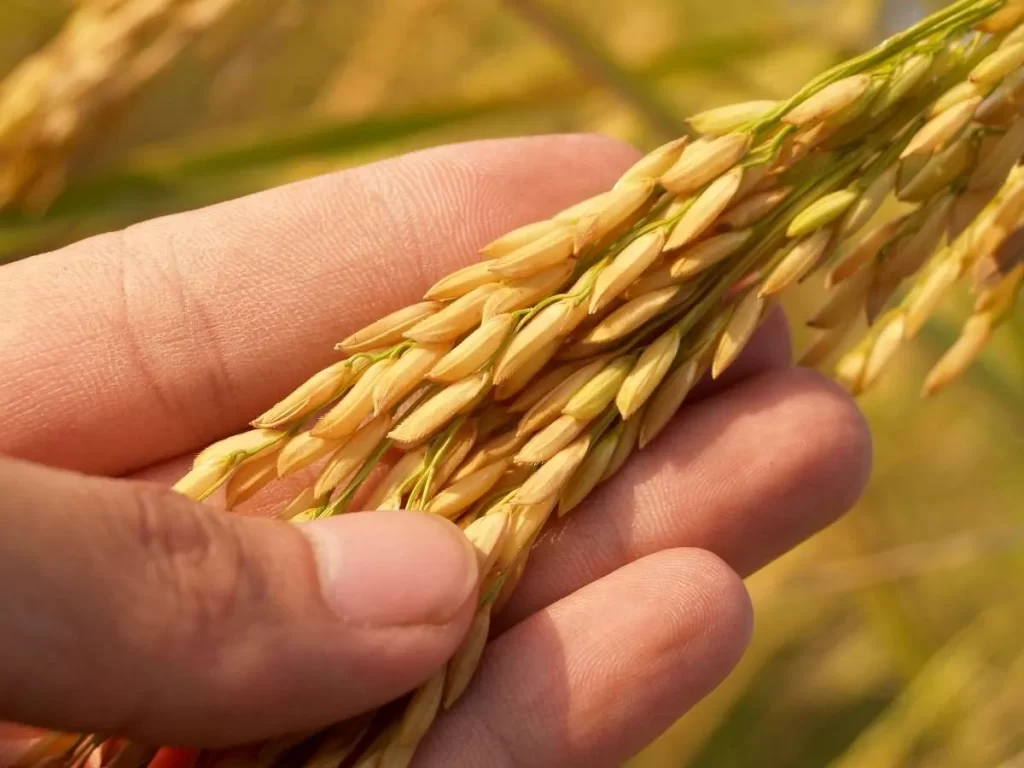
Crop yields and productivity are essential metrics in agriculture, reflecting the efficiency and effectiveness of farming practices. Various factors influence crop yields, ranging from environmental conditions and soil health to management practices and technological advancements. In this blog post, we will delve into the key factors that significantly impact crop yields and productivity.
Soil Health:
Healthy soil is the foundation of productive agriculture. Soil health is influenced by factors such as soil composition, texture, structure, pH levels, and organic matter content. Adequate soil fertility, proper nutrient levels, and microbial activity are crucial for supporting plant growth and development. Farmers can enhance soil health through practices such as crop rotation, cover cropping, organic amendments, and conservation tillage. Which improve soil structure, nutrient availability, and water retention.
Climate and Weather Conditions
Climate and weather conditions play a significant role in determining crop yields and productivity. Factors such as temperature, precipitation, humidity, and sunlight affect crop growth, flowering, pollination, and fruit set. Extreme weather events such as droughts, floods, heatwaves, and frost can have detrimental effects on crops. Leading to yield losses and reduced productivity. Farmers must adapt to climate variability by implementing resilient farming practices. Utilizing drought-tolerant crops, and employing irrigation and drainage systems to mitigate weather-related risks.
Water Availability and Management:
Water availability is critical for crop growth, and efficient water management is essential for optimizing yields and productivity. Adequate water supply during key growth stages such as germination, flowering, and fruit development is crucial for achieving optimal yields. Irrigation systems such as drip irrigation, sprinkler irrigation, and precision irrigation help farmers deliver water precisely to the root zone, minimizing water waste and maximizing water use efficiency. Additionally, practices such as rainwater harvesting, water conservation, and soil moisture monitoring contribute to sustainable water management in agriculture.
Crop Genetics and Varieties:
Crop genetics and varieties significantly influence yield potential and productivity. Plant breeders develop crop varieties with desirable traits such as high yield potential, disease resistance, drought tolerance, and nutritional quality. Farmers select crop varieties based on their suitability to local growing conditions, pest and disease pressures, market demand, and agronomic traits. Hybrid varieties and genetically modified organisms (GMOs) have contributed to yield gains and productivity improvements in crops such as corn, soybeans, and cotton, enabling farmers to achieve higher yields with reduced inputs and environmental impact.
Pest and Disease Management:
Pests, diseases, and weeds pose significant threats to crop yields and productivity. Integrated pest management (IPM) practices that combine biological, cultural, mechanical, and chemical control methods help farmers mitigate pest and disease pressures while minimizing environmental impact. Crop rotation, companion planting, biological control agents, and resistant crop varieties are effective strategies for managing pests and diseases sustainably. Additionally, timely scouting, monitoring, and early detection of pest and disease outbreaks enable farmers to implement proactive management strategies and minimize yield losses.
Nutrient Management:
Proper nutrient management is essential for supporting crop growth, development, and yield formation. Essential nutrients such as nitrogen, phosphorus, potassium, and micronutrients play critical roles in plant metabolism, photosynthesis, and yield formation. Soil testing and nutrient analysis help farmers determine soil nutrient levels and develop targeted fertilizer applications based on crop nutrient requirements. Balanced fertilization practices, including the use of organic amendments, cover crops, and precision fertilization techniques, ensure optimal nutrient availability for crops while minimizing nutrient runoff and environmental pollution.
Farm Management Practices:
Effective farm management practices significantly influence crop yields and productivity. Planning, scheduling, and implementing timely field operations such as planting, irrigation, fertilization, and harvesting are essential for optimizing yields. Crop rotation, tillage practices, weed management, and residue management contribute to soil health, weed control, and pest suppression. Additionally, adopting modern technologies such as precision agriculture, farm management software, and data analytics tools enhances decision-making, efficiency, and productivity on the farm.
Technological Advancements:
Technological advancements have revolutionized modern agriculture, providing farmers with innovative tools and solutions to enhance productivity and profitability. Precision agriculture technologies such as GPS-guided tractors, drones, sensors, and data analytics enable farmers to optimize inputs, monitor crop performance, and make data-driven decisions. Biotechnology and genetic engineering have led to the development of genetically improved crop varieties with enhanced traits such as yield potential, pest resistance, and drought tolerance. Furthermore, advancements in irrigation systems, machinery, and farm equipment improve efficiency, reduce labor requirements, and increase productivity on the farm.
Conclusion:
In conclusion, crop yields and productivity are influenced by a complex interplay of factors. Including soil health, climate and weather conditions, water availability, crop genetics, pest and disease management, nutrient management, farm management practices, and technological advancements. By understanding and addressing these key factors, farmers can optimize yields, enhance productivity and achieve sustainable agricultural production to meet the growing global demand for food while ensuring environmental stewardship and resilience in agriculture.